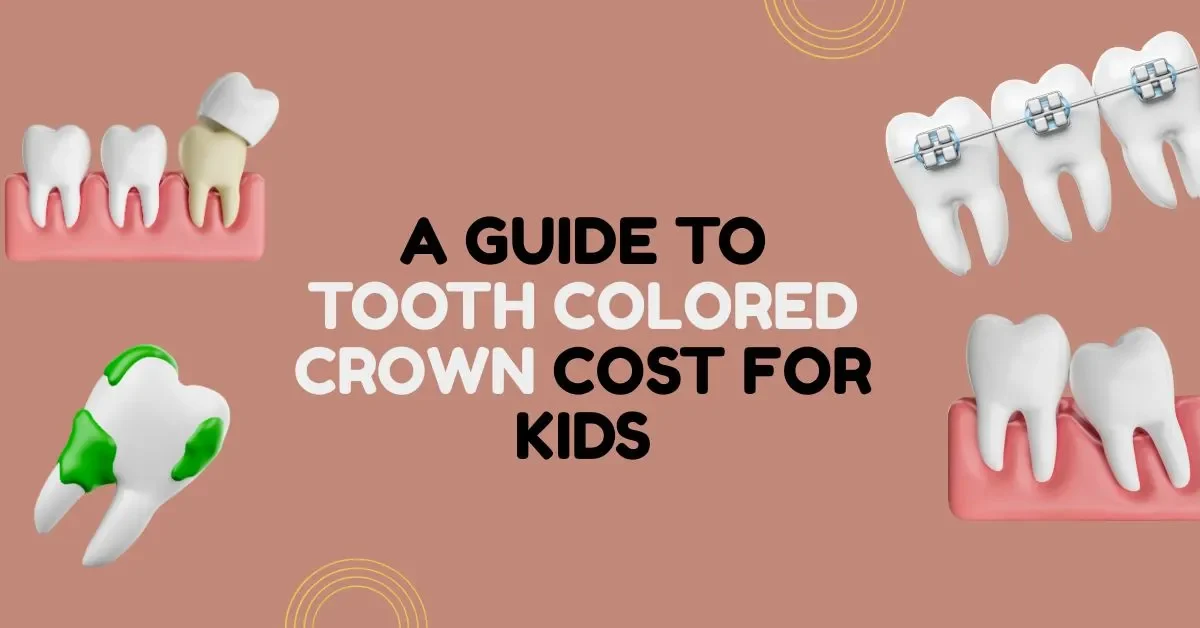
A Guide To Tooth Colored Crown Cost for Kids
Dental health, being an essential part of the overall well-being of growing children, requires comprehensive pediatric dentistry services. Therefore, tooth colored crowns are also one of the effective considerations for your child’s oral health. These structured crowns are designed to blend effortlessly with your kid’s natural tooth color. Notably, this approach has become a modern and aesthetically pleasing solution for the restoration of primary teeth.
Pediatric dental crowns are designed professionally to protect fragile baby teeth. These crowns assist in preserving tooth spacing and maintaining overall oral function until tooth eruption. Despite their benefits, parents are often concerned about the tooth colored crown cost for kids. Therefore, it is important to have a comprehensive understanding of the coverage options available, along with the factors influencing their range.
Cost of Tooth-Colored Crowns for Kids
A pediatric dental crown cost for children typically ranges from $300 to $500 per crown. Significantly, this price range depends on multiple factors such as the material used, geographic location, and dental clinic pricing. In addition to this, your chosen insurance coverage also influences this cost.
According to a recently published study by Research and Markets: Research and Markets:
“The global pediatric dental crown market size was valued at approximately $7.94 billion in 2024. It is expected to grow to $8.64 billion by 2025, reflecting a compound annual growth rate (CAGR) of 8.8%.”
It is important to note that tooth colored crown cost for kids can be a challenge for uninsured families. Compared to stainless steel crowns, these specialized crowns tend to be more expensive because of their aesthetics and materials.
Importance Of Tooth Colored Crowns for Kids
Pediatric tooth colored crowns play a significant role in the early oral development of children. These crowns are often recommended when a child’s baby tooth is damaged by decay or injury. Due to this leading factor, their teeth need to be saved to maintain spacing for permanent teeth.
It is important to understand that premature loss of baby teeth can cause serious and improper eruption of adult teeth. Significantly, this also leads to misalignment or bite issues. Therefore, specialized pediatric dentists must be consulted to ensure these crowns restore your child’s tooth function. On proper installation, these crowns enhance appearance, required for front teeth that are visible when smiling.
Types of Tooth Colored Crowns
There are different types of tooth colored dental crowns available, varying in factors like material and cost.
Porcelain Crowns
These specified crowns are generally aesthetic with a natural tooth-like appearance. However, these crowns are among the most expensive options. This tooth crown with insurance can range from $1,000 to $3,500. They require more labor-intensive preparation.
Zirconia Crowns
Zirconia crowns are stronger and more durable, with high aesthetics. These crowns are becoming popular among children and provide a natural look. The cost can range between $1,000 and $2,500.
Composite Resin Crowns
Made from tooth-colored composite resin, these crowns are more affordable. Notably, these composite crowns are less durable than porcelain or zirconia. They mainly range from $400 to $800 per crown.
Read Also
Factors Influencing Tooth Colored Crown Cost
Certain factors influence the overall tooth color crown cost for kids. These often include:
Material Choice
Your preferred material choice may affect the overall cost, as porcelain and zirconia can be costly. However, composite resin or stainless steel are affordable dental crowns for kids.
Location and Clinic
Prices tend to vary based on locations and clinics of specialized pediatric dentists.
Insurance Coverage
Many dental insurance plans cover between 50% to 80% of the crown cost. However, coverage depends on the specific policy and the child’s dental needs.
Additional Procedures
Some additional procedures are often carried out to verify teeth condition. These procedures include root analysis and tooth build-ups.
Protect your child’s smile with durable, natural-looking tooth-colored crowns
Benefits of Tooth-Colored Pediatric Crowns
The following benefits can be achieved with pediatric tooth colored crowns:
- Maintenance of aesthetically pleasing smiles with a natural appearance.
- Protects and restores damaged baby teeth.
- Preserves space for correct permanent tooth eruption.
Durable and can last several years with proper care.
Wrap Up
A comprehensive guide is a beneficial approach for parents considering tooth-colored crowns for their children. Having detailed information about tooth colored crown cost for kids can assist them in overall investment. Though prices can be higher depending on the choice of materials and procedures involved. These crowns functionally assist in dental health and offer cosmetic benefits that can boost a child’s confidence.
Why Adorable Smiles Pediatric Dentistry?
Adorable Smiles Pediatric Dentistry aims to offer detailed guidance on pediatric dentistry solutions with services that last long. We understand that oral health and the appearance of kids matter in building confidence. Therefore, we assist families in making informed decisions about their children.
Frequently Asked Questions (FAQs)
Q1. When does a child need a tooth-colored crown?
Tooth colored crowns are recommended when a child’s tooth undergoes severe decay or damage. This damage cannot be fixed with a filling or after procedures like a pulpotomy. Therefore, crown treatments protect the tooth for the proper spacing of permanent teeth.
Q2. How long does a stainless steel crown last?
Being made with biocompatible materials, tooth colored crowns are pediatrically safe. They are durable enough for children and are approved by dental health authorities. Additionally, pediatric dentists are trained to ensure a safe and comfortable procedure.
Q3. How long do tooth-colored crowns last on baby teeth?
With proper care, tooth-colored crowns can last several years, typically remaining until the baby tooth naturally falls out. This period often begins between the ages of 10-12. Durability depends on oral hygiene, crown material, and the position of the tooth in the mouth.