
Special Needs Kids Dental Care: Easing Fear & Anxiety in Children
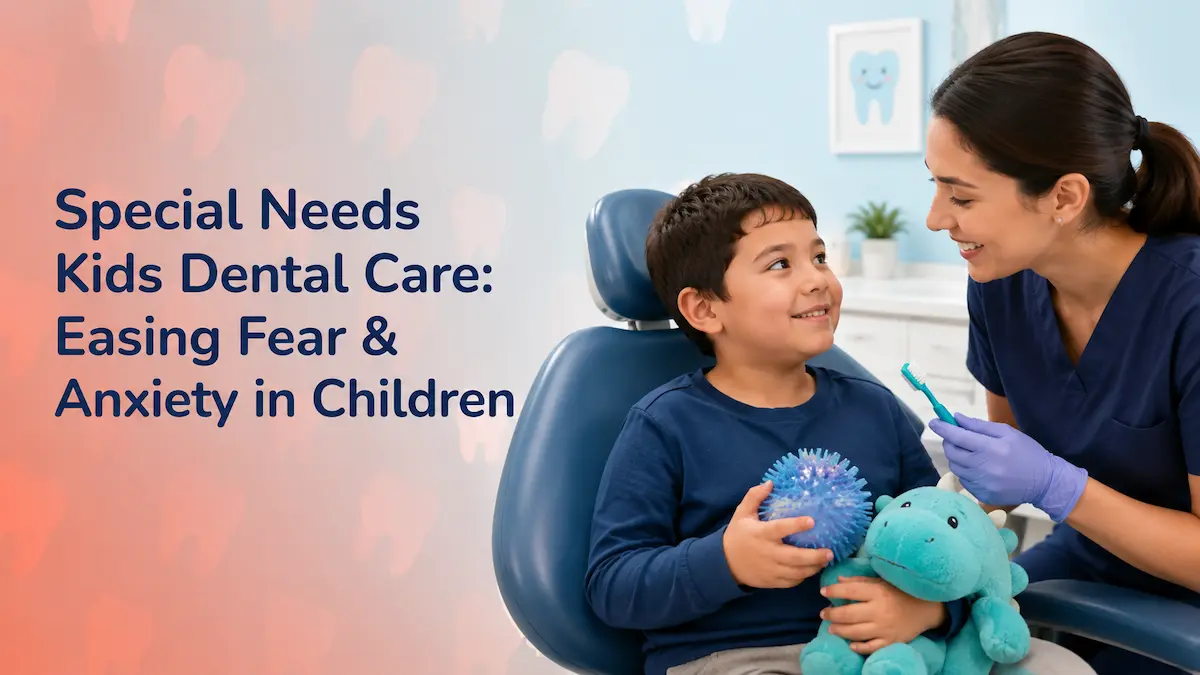
Children with special needs often face additional life challenges. Similarly, their parents also have to manage their difficulties during dental visits that many a time increase anxiety levels. These may include sensory sensitivities, communication difficulties, or fear of unfamiliar environments. Conditions such as autism spectrum disorder, cerebral palsy, Down syndrome, and developmental delays come with complex behavioral and medical considerations. Therefore, special needs kids dental care caters to the needs of intellectually challenged kids.
Parents need to understand that dental anxiety is common among such children. Therefore, Pediatric dentists play a critical role in not just delivering oral care but also in managing their fears and anxieties. Essentially, these specialists aim to effectively manage dental anxiety in children with special needs, ensuring positive dental experiences.
Creating a Child-Friendly Environment
Pediatric dentistry for special needs children assists parents by creating a child-friendly environment. Significantly, it is one of the fundamental strategies used by pediatric dentists. This includes a calming treatment room with muted lighting, reduced noise, and visually non-threatening decor. On top of it, some clinics also use weighted blankets or soft music to comfort children during procedures.
Some clinics also assist parents by transforming their waiting rooms and adding featured toys or interactive elements that engage children positively. This helps these special children to shift focus from anxiety to curiosity and play. In addition, this type of atmosphere helps children get familiar with the dental setting and reduces initial fear.
Behavioral Techniques and Communication
Pediatric dentists for special needs kids dental care are trained in specialized behavioral techniques. These techniques help ease anxiety, build trust, and improve cooperation. Among the most effective methods are:
Tell-Show-Do
The pediatric dentist explains procedures in simple language (“Tell”), demonstrates the instruments and actions on a model (“Show”). Moreover, these dentists also perform the procedure (“Do”). Therefore, this method helps decrease fear of the unknown by making each step predictable.
Positive Reinforcement
Praising the child for cooperative behavior drives continued positive actions. This can involve verbal praise, stickers, or small rewards.
Distraction Techniques
When managing dental fear in kids, distraction techniques prove beneficial. Using storytelling, videos, or interactive devices can divert attention away from the procedure. Furthermore, this helps make the experience less intimidating.
Modeling
Sometimes, having a sibling or peer demonstrate a dental procedure beforehand reduces anxiety. Parents are recommended by pediatric dentists to assist in showing that the process is safe and routine.
Voice Control and Non-Verbal Cues
Gentle, calm tones and slow movements convey safety. However, dentists watch for the child’s body language to adapt their approach accordingly.
Communication is adapted for the special needs kids dental care. Visual aids, communication boards, or sign language might be used for non-verbal children. Developing rapport before treatment begins is crucial for easing fears.
Advanced Anxiety Management Options
Coping strategies for dental anxiety help these special children with severe behavioral issues. Pediatric dentists may employ these advanced management techniques with multiple sedatives to ease out their anxiety even more.
Sedation Dentistry
This includes nitrous oxide (laughing gas), oral sedatives, or intravenous sedation to relax the child while allowing safe dental treatment. Sedation is carefully monitored and tailored to each child’s medical history.
General Anesthesia
In cases where cooperative care is impossible, procedures may be done under general anesthesia in a hospital setting. This ensures the child’s safety and comfort during extensive dental work.
Selecting the appropriate method involves assessing the child’s anxiety level, medical status, and treatment needs. However, it is important to always prioritize safety and minimal intervention.
Collaboration with Caregivers and Other Professionals
Pediatric dentists collaborate closely with parents, caregivers, and other healthcare providers involved in the child’s care. This gentle dental approach for kids provides valuable insights into the child’s behaviors, triggers, and effective calming techniques. Therefore, scheduling visits at less busy hours of day and allowing familiar caregivers to be present during treatment helps reduce anxiety.
Dentists may also work with occupational therapists or behavioral specialists to develop individualized care plans. They incorporate these plans with sensory integration or desensitization therapies.
Wrap Up
Managing dental anxiety in special needs children requires a specialized approach. Pediatric dentists integrate environmental adaptations, behavioral techniques, and advanced sedation options to create a compassionate, individualized experience. This helps reassure children, supports their oral health, and lays the foundation for lifelong positive dental care. Additionally, pediatric dentists play an invaluable role in overcoming the dental anxiety challenges faced by special needs kids. They ensure their smiles remain bright and healthy.
Why Adorable Smiles Pediatric Dentistry?
Adorable Smiles Pediatric Dentistry understands parental concerns about special needs children. Therefore, we aim to provide services and guidance tailored to their special needs to assist them in maintaining their oral well-being. We ensure every child smiles brightly with confidence.
Frequently Asked Questions (FAQs)
Q1. What makes dental care for special needs children different?
Special needs children often have unique medical, sensory, and behavioral challenges that require tailored dental approaches. Pediatric dentists for special needs children have additional training to manage these complexities. They aim to create a comfortable environment suitable for the child’s specific needs.
Q2. How do pediatric dentists reduce dental anxiety in special needs kids?
They use a combination of environmental modifications (calming sensory-friendly settings) and behavioral techniques. These often include Tell-Show-Do, positive reinforcement, distraction, and sometimes sedation or anesthesia in severe cases. Communication is adapted to the child’s abilities to build trust and reduce fear.
Q3. What can parents do at home to reduce dental anxiety in special needs kids?
Parents are encouraged to maintain regular oral hygiene routines and practice positive talk about dental visits. In addition, they can make them read stories and expose children to dental-related activities in a fun way. Reinforcing good oral habits and scheduling dental visits at optimal times can also help.